The Importance of Regular Check-ups: What to Expect at Your Doctor's Office
DA
The Importance of Regular Check-ups
As life gets busier, scheduling regular check-ups with your doctor might not be at the top of your to-do list. However, understanding the importance of these appointments can have a significant impact on your long-term health. Regular check-ups are essential for early detection of potential health issues, which can lead to more effective treatment and management. By prioritizing these visits, you take proactive steps in maintaining your well-being.

What to Expect During a Check-up
When you visit your doctor for a routine check-up, you can expect a comprehensive evaluation of your health status. The appointment typically begins with a review of your medical history, including any medications you are currently taking. This helps your healthcare provider understand your health background and any ongoing concerns you may have.
Your doctor will then perform a physical examination, which usually includes measuring your vital signs such as blood pressure, heart rate, and temperature. These measurements provide critical insight into your overall health and help identify any abnormalities that may require further investigation.
Laboratory Tests and Screenings
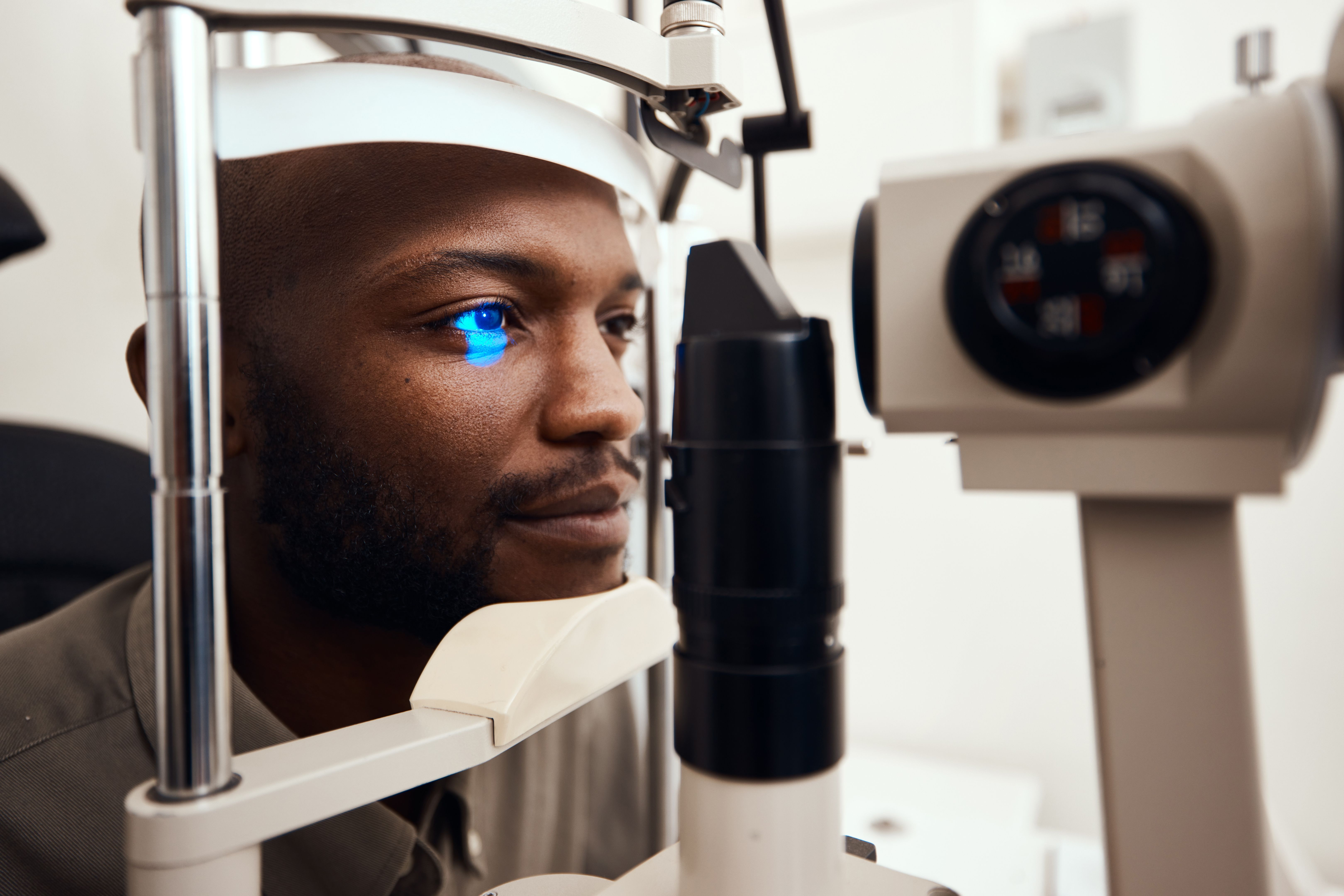
Depending on your age, medical history, and risk factors, your doctor might recommend certain laboratory tests or screenings. These tests can include blood tests to check cholesterol levels, blood sugar, and organ function. Screenings for specific conditions such as cancer or osteoporosis might also be suggested. Early detection through these tests can dramatically improve treatment outcomes.
For women, regular screenings like mammograms and Pap smears are vital for detecting breast and cervical cancer early. Men might require screenings for prostate health. Discussing these options with your doctor ensures that you receive personalized care tailored to your needs.
The Role of Preventive Care
Preventive care is a crucial aspect of regular check-ups. Your doctor will likely discuss lifestyle factors such as diet, exercise, and smoking cessation. They can provide guidance on making healthier choices that support long-term health. Vaccinations and immunizations are also addressed during these visits, ensuring you are protected against preventable diseases.

Building a Relationship with Your Doctor
Regular check-ups allow you to build a strong relationship with your healthcare provider. A trusted doctor who understands your health history and concerns can offer more personalized advice and support. Open communication during these appointments is vital for discussing any symptoms or changes in your health that you might have noticed.
Overcoming Common Barriers
Despite the benefits, many people avoid regular check-ups due to anxiety, time constraints, or financial concerns. It's important to prioritize your health by finding solutions to these barriers. Some healthcare providers offer flexible scheduling or telehealth appointments to accommodate busy lifestyles. Additionally, checking with your insurance provider can help determine what services are covered under preventive care.

Conclusion
Prioritizing regular check-ups is an investment in your future health. By understanding what to expect during these appointments and the benefits they offer, you empower yourself to take charge of your wellness journey. Remember, early detection and preventive care are key components in leading a healthier, more fulfilling life.