How to Manage Stress with Professional Insights from Dr. Antunes
DA
Understanding Stress and Its Impact
Stress is an inevitable part of life, affecting individuals in various ways. According to Dr. Antunes, a renowned psychologist specializing in stress management, understanding the root causes and effects of stress is crucial for effective management. Stress can manifest physically, emotionally, and mentally, impacting overall well-being.
It is important to recognize the signs of stress, which may include irritability, fatigue, headaches, and difficulty concentrating. By identifying these symptoms early, individuals can take proactive steps to manage stress before it becomes overwhelming.

Identifying Stress Triggers
Dr. Antunes emphasizes the importance of identifying personal stress triggers. Common triggers may include work-related pressures, financial concerns, and relationship issues. By recognizing what triggers stress, individuals can develop strategies to minimize exposure or alter their responses.
Keeping a stress journal can be a helpful tool. By documenting stressful events and the responses they evoke, patterns may emerge, providing valuable insights into specific triggers. This awareness is the first step in creating a tailored stress management plan.
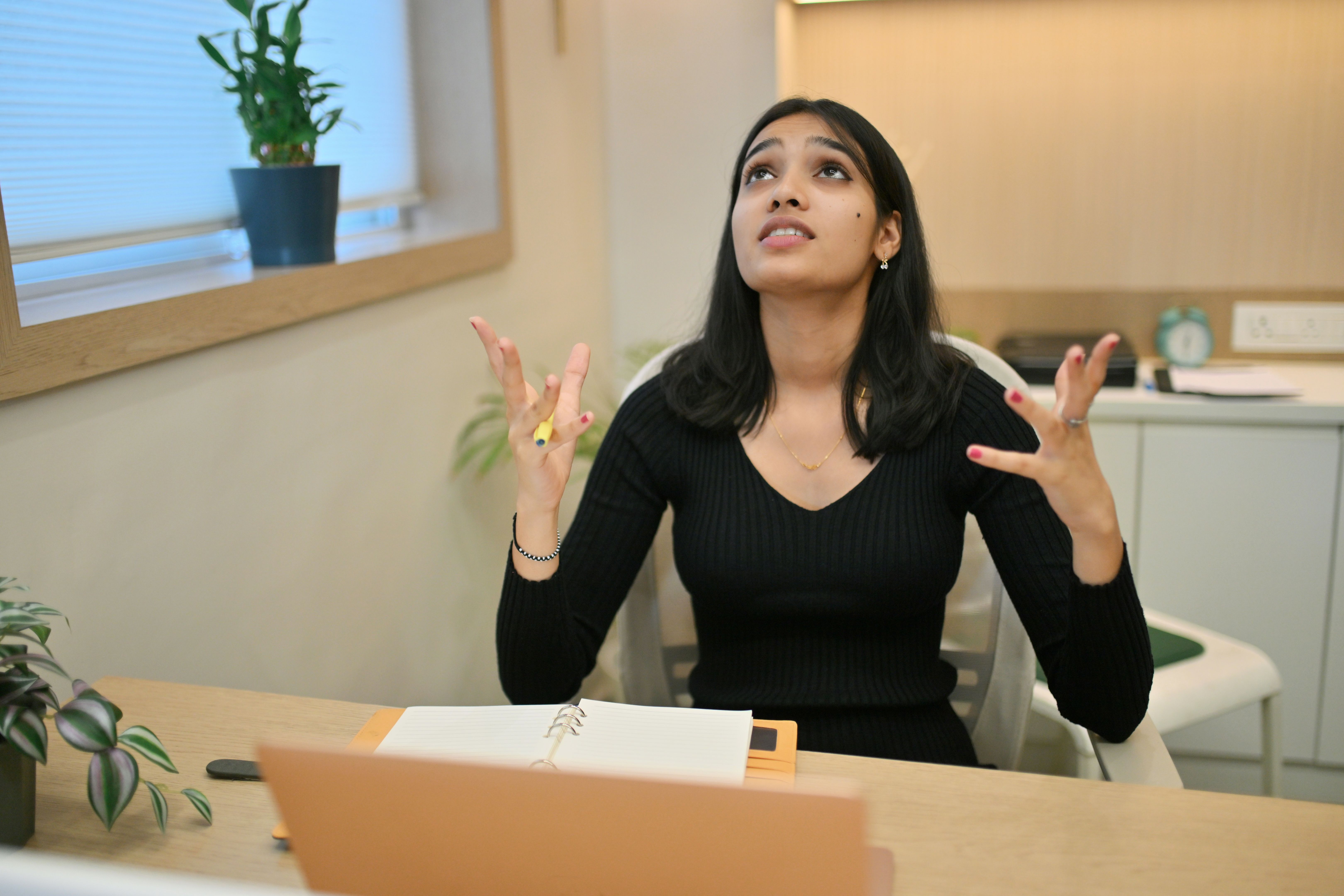
Effective Stress Management Techniques
Once triggers are identified, implementing effective stress management techniques is essential. Dr. Antunes recommends several strategies that have proven beneficial:
- Mindfulness and Meditation: Practicing mindfulness and meditation can help calm the mind and reduce stress. These techniques encourage focusing on the present moment, reducing anxiety about future events.
- Physical Activity: Regular exercise is a powerful stress reliever. Engaging in physical activities releases endorphins, which naturally elevate mood and reduce stress.
- Time Management: Prioritizing tasks and setting realistic goals can prevent feeling overwhelmed. Effective time management allows for a balanced lifestyle, reducing stress levels.

The Role of Professional Help
For those who find stress difficult to manage alone, seeking professional help can be beneficial. Dr. Antunes suggests therapy or counseling as effective ways to explore deeper issues contributing to stress. Professional guidance provides support and introduces new coping mechanisms.
Therapists can work collaboratively with individuals to develop personalized strategies that address unique stressors, promoting long-term well-being.
Building a Support System
Having a strong support system is vital in managing stress. Friends, family, and colleagues can offer emotional support and practical assistance. Dr. Antunes highlights the importance of communication and expressing feelings to trusted individuals.
Joining support groups or community activities can also provide a sense of belonging and reduce feelings of isolation, which can exacerbate stress.

Adopting a Healthy Lifestyle
Dr. Antunes advises adopting a healthy lifestyle as a preventive measure against stress. This includes maintaining a balanced diet, getting adequate sleep, and avoiding excessive caffeine and alcohol consumption. Such lifestyle choices enhance resilience and improve overall mental health.
Incorporating relaxation techniques like yoga and deep breathing exercises can further support stress management efforts. These activities promote relaxation and help reduce tension.