Debunking Common Health Myths: What You Need to Know
DA
The Truth About Detox Diets
Detox diets have been popular for years, promising to cleanse your body of toxins and boost health. However, scientific evidence does not support these claims. The human body is naturally equipped with organs like the liver and kidneys that effectively eliminate waste and toxins without the need for special diets.
While some detox diets may lead to temporary weight loss, this is often due to extreme calorie restriction rather than the removal of toxins. It's essential to focus on a balanced diet and regular exercise for sustainable health benefits.
Are All Fats Bad for You?
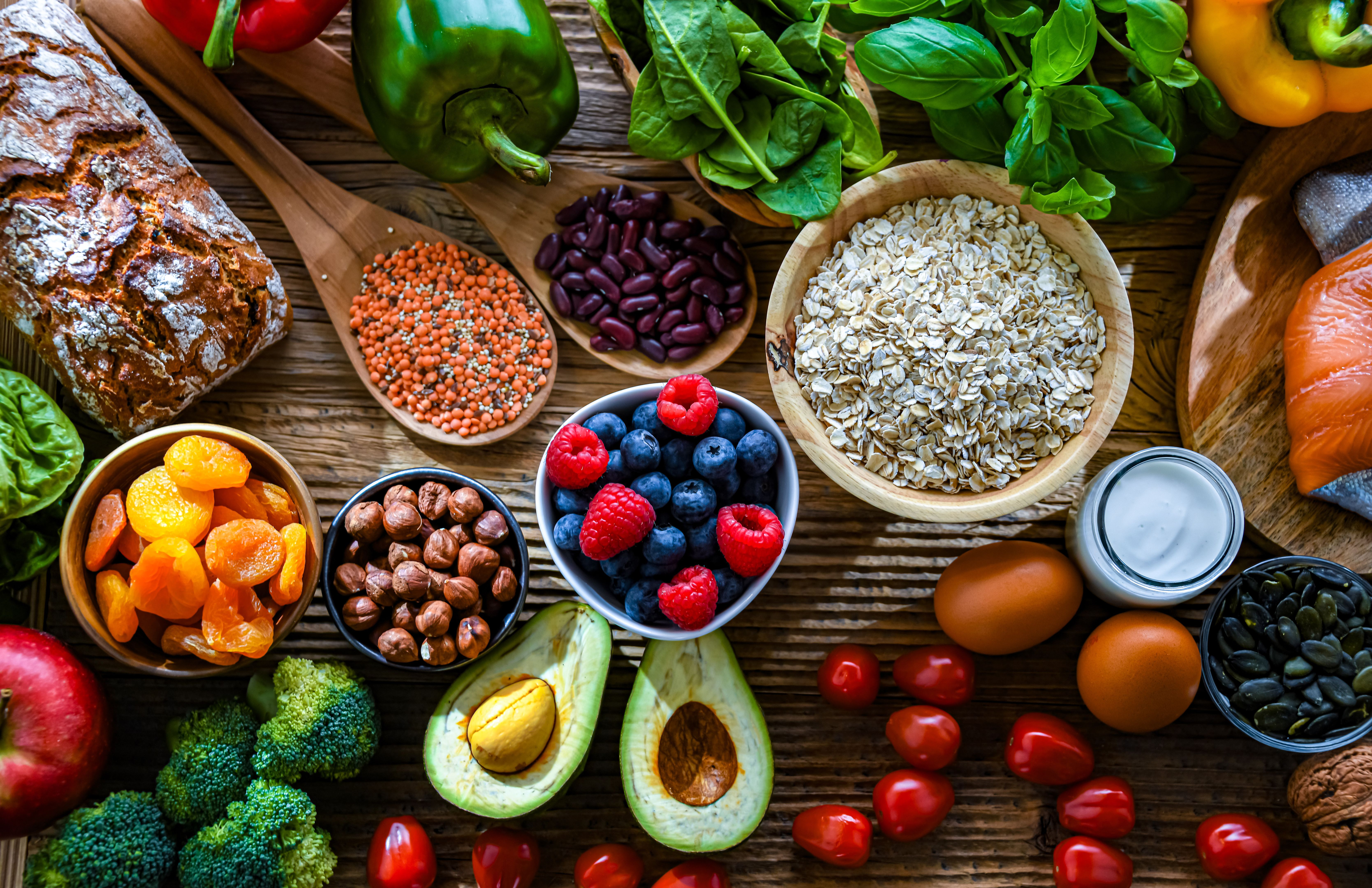
It's a common misconception that all fats are unhealthy. In reality, fats are an essential part of a balanced diet. They provide energy, support cell growth, and protect organs. The key is to focus on healthy fats, such as those found in avocados, nuts, and olive oil.
Trans fats and excessive saturated fats, often found in processed foods, can be harmful. Instead, aim to include unsaturated fats in your meals to support heart health and overall well-being.
The Myth of Spot Reduction
Many people believe that they can target fat loss in specific areas of their body through certain exercises. This is known as spot reduction, and it's a myth that has been debunked by fitness experts. Fat loss occurs evenly throughout the body and is primarily influenced by genetics and overall calorie expenditure.
For effective fat loss, focus on a combination of strength training, cardio, and a healthy diet. This approach will help reduce body fat and improve muscle tone uniformly.

Carbs: Friends or Foes?
Carbohydrates have often been labeled as the enemy of a healthy diet, especially in weight loss circles. However, not all carbs are created equal. Whole grains, fruits, and vegetables are rich in nutrients and provide essential energy for the body.
It's highly processed carbs, such as those found in sugary snacks and white bread, that should be limited. Opt for complex carbohydrates to maintain energy levels and support overall health.
Organic vs. Conventional Foods
With the rise of organic foods, many believe they are always the healthier option. While organic foods often have fewer pesticides, nutritional differences between organic and conventional foods are minimal. The choice between the two should depend on personal preference and budget.

Whether you choose organic or conventional, the most important factor is to consume a variety of fruits and vegetables to ensure a nutrient-rich diet.